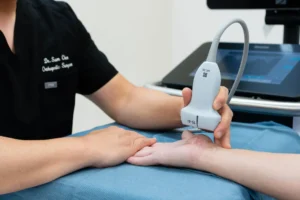
Recovery after an ultrasound-guided carpal tunnel procedure typically involves swift healing and minimal discomfort. Patients can often resume light activities within a couple of days. However, challenges such as swelling and limited mobility may occur. Understanding these aspects is vital for effective recovery. Strategies for rehabilitation and pain management play a significant role in the process. What steps can patients take to guarantee a smoother healing journey?
Key Takeaways
- Recovery is swift compared to traditional surgery, with most patients resuming light activities within 1-2 days.
- Expect some swelling and bruising, which usually resolves within a week.
- Persistent pain or limited mobility may complicate recovery; follow post-operative care instructions closely.
- Utilize ice packs and over-the-counter medications to manage discomfort effectively.
- Seek medical attention for severe pain, excessive swelling, or signs of infection.
The Basics of the Ultrasound Guided Carpal Tunnel Procedure
The ultrasound guided carpal tunnel procedure offers a minimally invasive solution for patients suffering from carpal tunnel syndrome. This technique utilizes ultrasound technology to visualize the anatomy of the wrist in real-time, allowing healthcare providers to precisely target the carpal tunnel area. During the procedure, a local anesthetic is administered, followed by the insertion of a small needle to deliver corticosteroids or perform a release of pressure on the median nerve. The use of ultrasound enhances accuracy, reducing the risk of complications and improving patient comfort. Patients often appreciate the quick recovery time associated with this approach, making it an appealing option for those seeking relief from symptoms. Understanding this procedure empowers individuals to make informed decisions about their treatment.
What Can You Expect After Your Procedure?
Following an ultrasound guided carpal tunnel procedure, patients can expect a relatively swift recovery process compared to traditional surgical methods. Most individuals experience minimal discomfort and can often resume light activities within a day or two. The use of ultrasound technology typically results in less tissue trauma, which contributes to a quicker healing timeline.
Patients may notice some swelling and bruising around the site, but these symptoms generally subside within a week. It is advisable to follow post-procedure instructions carefully, including any recommended exercises to enhance recovery. Regular follow-ups with the healthcare provider will help monitor healing progress and address any concerns. Overall, patients can anticipate a positive recovery experience that fosters a return to daily activities.
Top 5 Common Challenges in Recovery After an Ultrasound Guided Carpal Tunnel Procedure
What challenges might patients encounter during their recovery after an ultrasound guided carpal tunnel procedure? First, swelling and bruising are common, which can cause discomfort and hinder mobility. Second, some patients may experience persistent pain, making daily activities difficult. Third, limited range of motion in the wrist and hand can impede rehabilitation efforts. Fourth, anxiety about the recovery process may lead to stress, impacting overall well-being. Finally, patients might face challenges in adhering to post-operative care instructions, which are essential for ideal recovery. These factors can collectively affect a patient’s journey, emphasizing the importance of understanding and addressing these common challenges during the recovery phase.
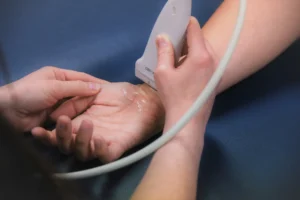
How to Overcome Common Recovery Challenges
Steering through the recovery process after an ultrasound guided carpal tunnel procedure can be challenging, but several strategies can help patients overcome common obstacles. Establishing a consistent routine for rest and rehabilitation exercises is essential. Patients should prioritize following their surgeon’s post-operative instructions, as these guidelines are tailored to individual needs. Utilizing ice packs can alleviate swelling, while elevating the hand promotes circulation. To manage pain, over-the-counter medications may be effective, but should be used judiciously. Additionally, engaging with support networks—whether through friends, family, or online forums—can provide emotional encouragement and practical advice. By implementing these strategies, patients can navigate their recovery more smoothly, fostering a sense of community and shared experience during this healing journey.
When to Seek Help After Your Ultrasound Guided Carpal Tunnel Procedure
How can patients identify when to seek help after their ultrasound guided carpal tunnel procedure? It is essential for individuals to monitor their recovery closely. If symptoms such as severe pain, excessive swelling, or persistent numbness develop, seeking medical advice is vital. Additionally, if there is noticeable redness or warmth around the incision site, this may indicate an infection and warrants immediate attention. Difficulty moving the fingers or wrist can also signal complications that should not be ignored. Patients should feel empowered to communicate their concerns with healthcare providers, as timely intervention can greatly improve outcomes. Trusting one’s instincts and asking for help fosters a supportive recovery environment, ensuring patients feel connected and cared for during their healing journey.
Frequently Asked Questions
How Long Will the Procedure Take?
The ultrasound guided carpal tunnel procedure typically takes about 15 to 30 minutes. This duration allows for precise imaging and intervention, ensuring effective treatment while minimizing discomfort for the patient during the process.
What Type of Anesthesia Is Used?
The ultrasound guided carpal tunnel procedure typically utilizes local anesthesia, ensuring the patient remains awake and comfortable while minimizing discomfort. This approach allows for targeted pain relief during the procedure, enhancing overall patient experience.
Can I Drive Myself Home Afterward?
Typically, patients should refrain from driving themselves home after an ultrasound guided carpal tunnel procedure. The effects of anesthesia and potential discomfort may impair their ability to operate a vehicle safely, warranting alternative transportation arrangements.
Will I Need Physical Therapy?
Physical therapy may be recommended following an ultrasound guided carpal tunnel procedure, depending on individual recovery needs and symptoms. Consulting a healthcare professional will provide tailored guidance for ideal recovery and rehabilitation.
Are There Any Long-Term Effects?
Long-term effects after an ultrasound guided carpal tunnel procedure can vary. Most patients experience significant symptom relief, though some may encounter residual discomfort or reduced wrist strength, necessitating ongoing management and occasional follow-up care.
Conclusion
In summary, understanding the recovery process after an ultrasound-guided carpal tunnel procedure is essential for ideal healing. While patients often experience a swift recovery, challenges such as swelling and limited mobility may arise. By adhering to post-operative care instructions and maintaining open communication with healthcare providers, individuals can effectively navigate these challenges. Establishing a consistent rehabilitation routine and utilizing pain management strategies will further enhance recovery, ensuring a smoother shift back to daily activities.
You May Also Like to Read: