
Sewer line damage can lead to significant property issues if not addressed promptly. Property owners must recognize critical warning signs, such as slow drains, unusual odors, and changes in yard conditions. These indicators often suggest underlying problems that require immediate attention. Understanding these signs is essential for maintaining a functional plumbing system. The implications of neglecting these issues can be severe, prompting a closer examination of what to look for next.
Key Takeaways
- Slow drains and frequent clogs indicate deeper blockages in the sewer line needing immediate attention.
- Unexplained wet spots or lush grass in the yard may signal sewage leaks underground.
- Strange odors, especially sewage or rotten eggs, can indicate breaches in the sewer system.
- Gurgling noises from drains suggest trapped air and possible obstructions in the plumbing.
- Yard changes like sinkholes or water pooling after rain point to potential sewer line damage.
Top Signs of Sewer Line Damage You Shouldn’t Ignore
What are the most critical indicators of sewer line damage that every property owner must recognize? Recognizing the signs of sewer line damage is vital for maintaining property integrity. One prominent indicator is the presence of slow drains, which may suggest blockages or leaks within the system. Unexplained wet spots in the yard can indicate leaks, while unusually lush patches of grass might signal sewage seeping into the soil. Additionally, frequent backups in plumbing fixtures are a clear warning sign that should not be overlooked. Finally, any noticeable changes in water pressure may also hint at underlying issues. Being vigilant about these signs of sewer line damage can help property owners mitigate costly repairs and guarantee a healthy living environment.
How to Spot Weird Smells From Your Sewer?
How can property owners identify unusual odors emanating from their sewer systems? A key indicator of potential sewer line damage is the presence of strange smells, particularly sewage or rotten egg odors. These odors often suggest a breach in the sewer line, allowing gases to escape. Property owners should pay attention to the intensity and location of these smells; a pervasive odor in the yard or near plumbing fixtures may indicate a serious issue. Additionally, a musty or earthy smell can signal stagnant water or a blockage. Timely detection of these signs of sewer line damage is essential for preventing further complications and costly repairs. Regular inspections and maintenance can help mitigate these risks effectively.
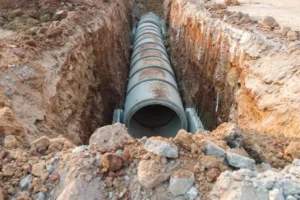
Signs of Sewer Line Damage: Slow Drains
When experiencing slow drains, property owners may wonder if this is merely a nuisance or a sign of a more significant issue. Slow drains can indicate potential sewer line damage, which should be addressed promptly. Key signs of sewer line damage associated with slow drains include:
- Frequent Clogs – Regularly clogged drains can signal deeper blockages.
- Gurgling Noises—Unusual sounds from drains may indicate air trapped in the lines.
- Water Backups – If water backs up into other fixtures, it suggests a serious obstruction.
- Multiple Slow Drains – If several drains are slow simultaneously, it points to a systemic issue.
Recognizing these signs of sewer line damage is essential for maintaining the integrity of a property’s plumbing system.
Yard Changes That Indicate Sewer Line Damage
Changes in the yard can often serve as indicators of underlying sewer line damage. Property owners should be vigilant for specific signs, such as unusually lush patches of grass or vegetation, which may suggest leaking sewage that enriches the soil. Conversely, areas of the yard with dead or wilting plants can indicate a lack of moisture due to a compromised sewer line. Additionally, the presence of sinkholes or depressions may signal ground erosion caused by a broken pipe. Water pooling in certain areas, especially after rainfall, can also point to sewer line issues. Recognizing these yard changes is critical for timely intervention and maintaining property integrity, emphasizing the importance of being attuned to signs of sewer line damage.
What to Do When You Notice Signs of Sewer Line Damage
Upon noticing signs of sewer line damage, property owners should take immediate action to mitigate potential issues. Ignoring these signs can lead to further complications and costly repairs. The following steps are recommended:
- Stop Using Water: Cease all water usage in the property to prevent worsening the situation.
- Inspect the Property: Conduct a visual inspection for any noticeable leaks, puddles, or foul odors.
- Document Findings: Take photographs and notes of any signs of sewer line damage for reference and communication with professionals.
- Contact a Professional: Reach out to a licensed plumber or sewer specialist to assess the situation accurately.
Frequently Asked Questions
How Can Tree Roots Affect My Sewer Line?
Tree roots can infiltrate sewer lines, causing blockages and potential damage. As roots seek moisture, they can crack pipes, leading to leaks and further complications. Property owners should monitor for signs of sewer line damage promptly.
What Causes Sewer Line Damage Over Time?
Sewer line damage can result from factors like ground shifting, tree root intrusion, pipe corrosion, and age-related wear. These elements compromise structural integrity, leading to leaks, blockages, and potentially costly repairs for property owners.
Are Older Homes More Prone to Sewer Line Issues?
Older homes are indeed more prone to sewer line issues due to aging materials, outdated plumbing systems, and tree root intrusion. Regular inspections can help identify signs of sewer line damage before major problems arise.
How Much Does Sewer Line Repair Typically Cost?
Sewer line repair costs typically range from $1,500 to $7,000, depending on the severity of the damage and local labor rates. Homeowners should consider obtaining multiple estimates to guarantee fair pricing and quality service.
Can I Prevent Sewer Line Damage With Regular Maintenance?
Regular maintenance can considerably reduce the risk of sewer line damage. Property owners should schedule routine inspections, clear debris, and monitor plumbing systems to identify potential issues early, thereby ensuring ideal functionality and longevity of sewer lines.
Conclusion
To summarize, property owners must remain vigilant for signs of sewer line damage, including slow drains, unusual odors, and changes in yard conditions. Early identification of these indicators can mitigate potential damage and costly repairs. Regular inspections and prompt action upon noticing these signs are essential to maintaining the integrity of the plumbing system. By staying informed and proactive, property owners can safeguard their investment and guarantee a functional sewage system.
You May Also Like to Read: